 Reviews

 Proudly American

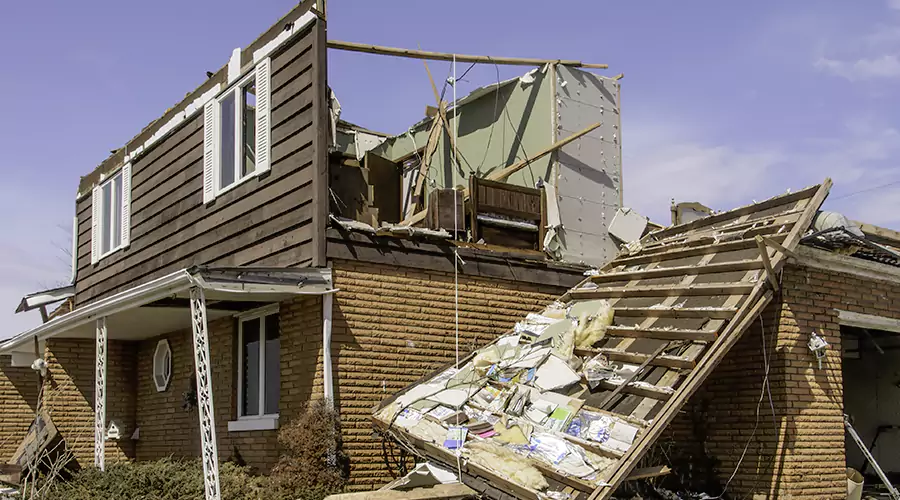
Photos are one of the most important records you can collect after property damage. Whether the damage comes from water, fire, smoke, mold, storm, flood, sewage, or a fallen tree, clear photos can help document what happened and support the restoration process. They may also help your insurance company understand the cause, severity, and affected areas.
Many homeowners take a few quick pictures and then start cleaning. The problem is that important details can be missed. Once items are moved, water is removed, debris is cleared, or damaged materials are thrown away, it may be harder to show the original condition of the property.
Knowing what photos to take after property damage can help you stay organized, protect your claim records, and give restoration professionals better information.
Safety Comes Before Photos
Before taking photos, make sure the area is safe. Do not enter rooms with standing water near electricity, smoke filled spaces, sagging ceilings, broken glass, exposed wiring, sewage water, gas smells, or structural damage.
Photos are helpful, but they are not worth risking your safety. If the area is unsafe, take pictures from a safe distance and wait for emergency services or restoration professionals.
Avoid touching electrical items, walking through floodwater, climbing on a damaged roof, or moving heavy debris just to get a better photo.
Take Wide Photos of Each Affected Room
Start with wide photos before taking close ups. Wide photos show the full room and help explain where the damage is located. They also show the relationship between the damage source and the affected areas.
Take photos from each corner of the room if possible. Include walls, floors, ceilings, furniture, doors, windows, and built in features. If multiple rooms are affected, photograph every room separately.
Wide photos are useful because they show the full scope of the property damage before cleanup begins.
Photograph the Source of the Damage
If you can safely identify the source, take photos of it. The source helps explain how the damage happened. This can be very important for insurance documentation and restoration planning.
Examples of damage sources include:
- Burst pipe
- Leaking water heater
- Broken appliance hose
- Overflowed toilet
- Roof leak
- Broken window
- Fallen tree
- Fire damaged area
- Sewer backup
- Floodwater entry point
- Storm damaged roof or siding
Do not move or repair the source before taking photos unless immediate action is needed to stop more damage. For example, shutting off the water is more important than taking a perfect picture.
Take Close Up Photos of Visible Damage
After wide photos, take close up photos of specific damage. These photos show details that may not be visible in wider shots.
Close up photos should include:
- Water stains
- Wet carpet
- Buckled flooring
- Soft drywall
- Peeling paint
- Soot stains
- Smoke residue
- Mold spots
- Broken windows
- Damaged trim
- Cracked ceilings
- Damaged cabinets
- Flood lines on walls
Try to keep the photos clear and steady. Take more than one photo if the damage is hard to see.
Photograph Floors, Walls, and Ceilings
Property damage often affects building materials. Take separate photos of floors, walls, and ceilings because these areas may need drying, cleaning, repair, or replacement.
For water damage, photograph wet flooring, stains near baseboards, ceiling spots, warped wood, loose tiles, and bubbling paint. For fire damage, photograph soot on walls, smoke staining on ceilings, burned materials, and water damage from firefighting.
For storm damage, photograph ceiling stains, roof leak areas, broken windows, damaged drywall, and water entry points.
Take Photos of Damaged Personal Belongings
Personal belongings can be part of the property damage record. Photograph damaged furniture, electronics, clothing, rugs, appliances, documents, tools, decor, and stored items.
For each item, take one photo showing the full item and another photo showing the damage close up. If possible, photograph brand names, model numbers, serial numbers, receipts, or labels.
Damaged belongings may include:
- Sofas and chairs
- Tables and cabinets
- Televisions and computers
- Washers and dryers
- Clothing and shoes
- Rugs and carpets
- Mattresses and bedding
- Stored boxes
- Books and documents
- Kitchen appliances
Do not throw away damaged items until they are documented and you understand what your insurance company needs.
Photograph Before, During, and After Cleanup
The best documentation includes photos from different stages. Take photos before cleanup starts, during emergency mitigation, and after restoration work is completed.
Before photos show the original damage. During photos show what materials were removed, how far the damage spread, and what work was needed. After photos show the repaired or cleaned condition.
This can help create a clear timeline of the restoration process.
Capture Hidden Damage When It Is Found
Sometimes hidden damage is discovered during cleanup. Water may be found behind baseboards. Mold may appear behind drywall. Smoke residue may be found inside cabinets. Wet insulation may be discovered after a ceiling is opened.
When hidden damage is found, take photos before it is removed or cleaned if it is safe. These photos help show why additional restoration work was needed.
Hidden damage photos may include:
- Wet insulation
- Mold behind drywall
- Water under flooring
- Damaged subfloor
- Soot inside cabinets
- Smoke residue around vents
- Moisture behind trim
- Rotting wood
Photograph Exterior Damage
If the damage started outside or affected the exterior, take photos from the outside as well. This is especially important after storms, fire, flooding, roof leaks, fallen trees, and wind damage.
Exterior photos may include:
- Roof damage visible from the ground
- Missing shingles
- Damaged gutters
- Broken siding
- Fallen trees or branches
- Damaged fences
- Floodwater around the home
- Broken windows or doors
- Damaged garage areas
- Debris around the property
Do not climb onto a roof to take photos. Take pictures from the ground or from a safe window.
Use Time and Location Details
Organization matters. If possible, keep your photos in folders by date, room, or damage type. You can label folders with names like Kitchen Water Damage, Basement Flood, Smoke Damage, or Storm Exterior.
Write down the date and time the damage happened, when you discovered it, and when you took photos. Many phones already store photo dates, but notes can still help you stay organized.
You can also take a short video walking through the affected areas. In the video, explain what you are seeing and where you are standing.
Keep Receipts and Documents With Your Photos
Photos are only one part of your records. Keep receipts, invoices, estimates, plumber notes, restoration reports, insurance claim numbers, and communication notes together.
Important records may include:
- Emergency repair receipts
- Restoration company invoices
- Plumbing or roofing repair notes
- Hotel or temporary living receipts
- Cleanup supply receipts
- Insurance claim number
- Adjuster contact details
- Photos and videos
This creates a stronger and more complete damage file.
Mistakes to Avoid When Taking Photos
Avoid common documentation mistakes that can make the process harder later.
Do not:
- Take only one or two photos
- Start major cleanup before documenting damage
- Throw away damaged items too quickly
- Ignore hidden areas
- Forget exterior photos
- Photograph only close ups without wide shots
- Enter unsafe areas for pictures
- Delete blurry photos before checking them
It is better to have more photos than not enough.
Final Thoughts
After property damage, take photos of the full room, the damage source, close up damage, floors, walls, ceilings, personal belongings, exterior areas, and hidden damage found during cleanup. Keep before, during, and after photos organized with receipts and notes.
Good photos can support your insurance claim, help restoration professionals understand the damage, and create a clear record of what happened. Always put safety first, and never enter dangerous areas just to take pictures. If the damage is serious, call a restoration company for inspection, documentation, and cleanup support.